Showing posts with label autism pop culture. Show all posts

01 February, 2016

The Softer Side of Searing

The New Yorker has been kind enough to publish my letter, where I point out that Autistic kids don't have black mirrors for eyes. (Their version // my initial version.) I really appreciate them doing this because I hope it will make their readers consider the effects of dehumanizing language. I don't refer to my hurt feelings, but to the way people may behave after being exposed again and again to the idea that Autistic kids are bad tempered, bad to be around, and different to the point of being inhuman.

I also hope that the wording of my letter will remind people that autism is just one of the many disabilities that exist. I feel this is an important thing to remember, both for Autistic people's benefit and for the benefit of people with other disabilities.

When the New Yorker first edited my letter, I didn't like some of the changes they made. I worried that they would not publish my letter if I argued, but the Letters Editor was very nice and accommodated the 3 requests that I had.

However, I want to point something out. I summarized the black mirrors quote this way:

Shapin claims that Autistic children's eyes "are not windows to their souls, but black mirrors."

The New Yorker wanted to change it to:

Shapin mentions the struggle of parents whose autistic children’s eyes "are not windows to their souls, but black mirrors."

My original letter did not mention parents at all, nor did it need to. It was only about a 9-word phrase describing Autistic kids' eyes. Knowing that this phrase appeared in a sentence about parents does not explain or excuse it. It is just as bad to write, "Autism parents suffer because their kids have black mirrors for eyes," as, "Autistic kids have black mirrors for eyes"--and for the purposes of my letter, I don't see the value of one over the other.

I explained why I did not agree with the edit--"Bringing up parents' 'struggle,' when it's not relevant to my point, is something that I don't agree with because I think media discussions of autism are already biased toward the experiences of parents. (Of course their experiences are important; they are just not the only perspective, and they're often treated that way.) That line doesn't represent how I would write."

It's a bad habit the media has when discussing autism--always inserting the perspective of parents, whether or not there is a reason to do so.  I've read a lot of great deconstructions of this by Autistic people, but my favorite is Zoe's parody article from a few years ago, Person With Autism Manages to Do Something:

How does Joe Autie feel about his achievement? “We’re very proud of him,” said his mother.

Anyway, I suggested that if the editor wanted to provide context, it would be better to quote more of the review. Now the letter includes the entire sentence that the black mirrors line is from:

It’s a searing experience to have a child who doesn’t talk, who doesn’t want to be touched, who self-harms, who demands a regularity and an order that parents can’t supply, whose eyes are not windows to their souls but black mirrors.

This edit is okay with me, but does have an unfortunate result. My letter begins with this quote, but only talks about black mirrors--giving the impression that there's nothing to say about the rest of this quote. However, it's actually pretty awful from beginning to end. I just decided to write in about "black mirrors" because it was the most obviously wrong and offensive part of the sentence, and I felt I could write something very short about it.

I want to address the rest of the sentence, though, except for the part about the "searing experience." If people feel "seared" by having Autistic kids, I can't argue with that--it's how they feel. I feel "seared" by reading that it's "searing" to have a kid like me--and that's how I feel. If feelings can't be criticized, it's a tie. However, I can and will criticize the list of reasons that Autistic kids are "searing."

After "black mirrors," what stuck out to me is the self harm--specifically the construction, "It's a searing experience to have a child who self-harms." I'm afraid that this is such a common construction, when writing about autism, that it's not obvious what is wrong with this picture. Imagine the following description of a violent accident:

Kendra, a kindergarten teacher, slipped on the steps of her house; she fell and cracked her head open on the sidewalk. It was very upsetting to all the people on the street to see Kendra lying there. Kendra's husband fell into a deep depression, unable to deal with what had happened. Kendra's students were very distressed when she could not come back to work because of her brain injury.

Hopefully this example gets the point across. Everyone has good reason to be seriously affected by Kendra's accident, especially her husband. But we don't expect to have their perspectives emphasized to the point that they entirely drown out Kendra's perspective of her situation. Her physical condition is only described in terms of its effect on others, and her feelings aren't described at all.

That is just a ridiculous way to describe something bad happening to Kendra--because first and foremost, it happens to Kendra. It does not happen to the people around her, no matter how much they love her. I can't speak to every person's experience of self harm, but in my experience it feels pretty bad internally--and physically, of course, it hurts a lot. No one else's reaction to self-harm is as "searing" as being in that situation yourself. To frame a child self injuring in terms of how someone else feels about it is unbelievably unempathetic to the child; and when it happens over and over in the media to the point of being unremarkable, that is really disturbing.

However, as I read the multi-faceted "searing" quote again and again, what stands out the most is the implication that autism is volitional--that Autistic children are being Autistic on purpose, just to torture the people around them. I addressed this idea a few years ago in my post Behavior vs. Ability. I was saying that those who are more empathetic to a disabled person will usually see the person's actions/inactions in terms of what they are not able to do, the fact that they may have to do things in alternate ways, and that they are trying to cope. On the other hand, there's the colder view that the actions are all there is--the person "prefers to do this," "refuses to do that." No reason is given, and no acknowledgment is given to the idea that a reason might exist. The person is just being bad.

It's subtle. But look what Shapin says:

a child who doesn’t talk

Why not "a child who can't talk?" Does Shapin mean to say that kids who can't talk are just refusing to talk? Does he really believe they can talk?

a child who demands a regularity and an order that parents can’t supply

Why not "a child who needs a regularity and an order that parents can't supply?" I doubt the child is drawing up a contract of "demands" like a rock band demanding green M&Ms in their rider. The child is upset when things aren't regular and orderly. The child is struggling, not "demanding" things.

(Imagine if the New Yorker had wanted to edit my letter to discuss "the struggles of children with black mirrors for eyes" instead of "the struggles of parents who have children with black mirrors for eyes." It's really too bad how surprising that would be.)

And how come the child "doesn't" talk, but the parents "can't" supply order? Why not say "the parents refuse to supply the order the child needs?" Because Shapin has empathy for the parents and understands there are things they can't do--but the child is just a mirror-eyed cipher.

Well, I'm just spitballing here--I don't want to go point by point through the whole sentence and edit everything to make it sound more like the child is in fact disabled--not "demanding" the things they need to function, not refusing to talk to "sear" their parents, not self-harming just for the hell of it. At that point, the sentence would no longer be as damaging to Autistic kids, but it still wouldn't be very good. ("This is the worst writing I've ever seen in the New Yorker," was my mom's comment, although her judgment may have been affected by all that searing I did to her.)

Anyway, I just wanted to give the searing sentence a more thorough look, and now I'll shuffle off with 2 boring postscripts:

1. I want to be very clear that I was not offended by the idea that Autistic kids' eyes look black, or that they look different from other people's eyes. I was offended by the context and implications. I don't like the resemblance to the Black-Eyed Children urban legend and to the purely black eyes (including black sclera) in a lot of ghost/alien/monster characters in movies and TV. I don't like the idea that our body parts aren't flesh but metal, or the idea of us having "nothing behind our eyes" where other people have souls.

However, lots of people do have glass eyes, metal spines, and so on. There's nothing supernatural about that either. When I jump on this quote like, "How dare you say this!" it is NOT because I think there's something horrific or monstrous about anybody who really has glass eyes, has very different looking eyes (no pupils, etc.), or doesn't have any eyes at all. It is because of the context and the tropes it's drawing on. And while the insult was specifically aimed at Autistic people, I don't think it does blind people any favors either to talk in such a weirdly tragifying, spooky way about eyes that look different, or eyes that do not focus and make eye contact.

2. It's hardly worth responding to, but Shapin says some really false and insulting things about the neurodiversity or Autistic self advocacy movement. I assume these are regurgitated from the book. For a smart and clear self advocate response to In a Different Key, that explains exactly how untrue these assertions are, I recommend Ari Ne'eman's review.


22 January, 2016

I wrote a great letter to the New Yorker

In Steven Shapin's review of In a Different Key, he claims that Autistic children's eyes "are not windows to their souls, but black mirrors." Actually, I'm Autistic and since I was a child, I've had completely ordinary-looking eyes--irises, pupils, and so on. I've known a lot of Autistic kids and adults, and I can testify that none of us have black mirrors for eyes.

Some people don't do much communication through eye gaze, which is presumably what Shapin meant. Many Autistic people don't make eye contact because it hurts us. Blind people don't make eye contact because they cannot see. Some people with other disabilities (like Parkinson's disease) cannot control the motions of their eyes. I've met all kinds of people who don't make eye contact, but I've never met anyone whose eyes I would describe as black mirrors. It sounds like something out of a horror movie.

Now, this is some figurative language, so maybe I'm missing the point. I'm Autistic, after all. But I think and think about this phrase, and all I see is some very negative, dehumanizing language aimed at children with a developmental disability. In an article that contains several pieces of misinformation about Autistic people, "black mirrors" is the icing on the cake.

13 June, 2015

Sensory Issues

Something like this happens:

1. I'm in college, in a psychology class, where the professor tells us that Autistic people don't care about other people. We only see them as objects to get something from. (She knows I'm Autistic and she's taught Autistic students before.)

2. A friend of my friend informs her that I will never care about her because I'm Autistic.

3. One of the most popular books in the world is about an Autistic character who doesn't care about people and wishes that everyone else in the world would die. I see people reading this book all the time, including people I'm close to, and it has been recommended to me so I can learn more about autism.

4. After a mass murder, I hear people speculating that the murderer must have been Autistic.

Something like this happens: my feathers are ruffled. I feel hopeless about life; I feel like I can't trust anyone. I want to confront the person who said something. I don't want to feel obligated to be nice to them. I feel betrayed if the person was someone I liked and trusted.

If I talk to anyone about this, most people respond calmly and cheerfully. Even close friends and family aren't hurt or angry on my behalf. They have no emotional reaction--they often seem a little bored that I've brought up something so trivial--and if they even intellectually condemn what happened, their focus is on telling me that it isn't so bad.

The person didn't mean it like that.

Well, a lot of people have that misconception about Autistic people. They just don't know any better.

I shouldn't be so sensitive. I should get over it.

They wouldn't think that if they got to know me.

Mysteriously, the last statement--a compliment--is the one that bothers me the most.

Why be modest? No one else is going to say anything good about me once they know I'm Autistic. So I'll admit that I'm a kind, caring person. It's certainly the way I am most often described by people who don't know I'm Autistic. As I leave a room I sometimes hear people exclaiming, "She is so sweet!" I always do my best to be kind and polite to everyone, I volunteer, and I've chosen to take care of other people for a living.

I'm pretty much as far from the Autistic stereotype as I could get. So yes, it is probably true that if certain people were forced to spend time with me, they would eventually have to admit that I care about other people, and maybe they'd even start to wonder if this is true for other Autistic people (but I doubt it; exceptionalism is a hell of a drug). Yet somehow this fact is completely inadequate and unsatisfying to me in every way.

For many people, there's a duality between disabled people--an abstract group--and the disabled person you know. People just cannot get their heads around the idea that ableism really does affect their disabled friend or family member. How can a nice pink-collar Manic Pixie Dream Girl like me possibly be affected by the idea that Autistic people are serial killers? I'm obviously not a serial killer if you get to know me!

The rub is obviously that most people don't know each other and that most acts of discrimination aren't committed between close friends or family members. I'm supposed to be comforted by the idea that my friends and family members know I care about other people, and completely desensitized to the fact that doctors, therapists, potential employers, police, judges, or jurors might think I don't.

Even if you put aside situations where I could be concretely hurt or disadvantaged because of those stereotypes, there's still the daunting task of having to convince new people in my life that I care whether they live or die. Specifically, the fact that it's completely horrible to assume I don't care about that; and the fact that I shouldn't have to prove something so simple; and the question of how, having proved I meet a minimum standard for decency, I'm supposed to settle down and be friends with someone who assumed I didn't.

I've been thinking about this whole thing a lot lately, and I do feel a lot more friendly toward these responses than I once did. I think, if people care about me, they think it is kinder and more comforting to believe that these things don't matter; that I'm just a cuddly Autistic snowflake floating around and those kind of ideas can't ever really hurt me. I am their friend, their family member. They know I'm a nice person (even if their ideas about Autistic people in general are negative) so everyone must know that I'm a nice person (even if their ideas about Autistic people in general are negative). I must be safe and equal; if someone cares about me, it feels nicer to think that I am just silly and oversensitive, than that I could actually face discrimination for being Autistic.

23 July, 2013

J. Cole's "autism lyric"


This really just blends into the woodwork but since I happened to end up complaining about it in real life, here is a post about J. Cole’s apology for his verse in Drake’s “Jodeci Freestyle,” where he used “autistic, retarded” as an insult.

So, the apology isn’t great anyway, but the big thing I noticed is that he only talked about autism--he didn’t apologize to people with intellectual disabilities or their families, even though he used the word “retarded.”  I can’t really blame J. Cole for this because it seems like no one told him.  For example, the Anna Kennedy/Anti-Bullying Alliance petition against the lyric specifically asked him to apologize to people with autism and our families, and did not mention the other PWD who are hurt by the R-word.

Yes, J. Cole is stupid for not realizing that he should be apologizing to all people with developmental disabilities, but how stupid are organizations and activists that actually focus on disability for not asking him to do that?

There was a time when all developmental disability was assumed to be intellectual disability and people were confused by the word autism.  Now the opposite seems to have happened--for example, when people find out that I work for someone who is nonspeaking, they immediately assume she has autism, instead of realizing that there are many disabilities that could cause someone to be nonspeaking. In general, people will often describe anyone with a developmental disability as being “autistic”--even though intellectual disability is the most common developmental disability!

It’s hard for me to articulate why this makes me so angry, but I think part of it is that it illuminates how most people don’t learn basic information about disabilities.  Right now autism is being blown up as some kind of dramatic health crisis so it’s the only developmental disability the average person knows about and the catch-all term for all disabilities.  It’s not so nice for people with autism to be treated like the four horsemen of the apocalypse, but it’s also terrible that people with intellectual disabilities are so ignored by the average person that J. Cole doesn’t even realize he used their diagnosis as an insult, and neither do autism advocates. (I’d love to say just autism parents, but I’ve seen some Autistic people who didn’t notice either.)

20 November, 2012

behavior vs. ability

Some people do different things or need different things from the average person. (Or the imaginary average person.) Other people have to decide how they feel about that difference.

1. Should the average person accept that some people do this different thing, and not be mad about it? Should institutions and communities try to adjust to meet the needs of these people?

2. Or should the person who's different change their needs to be more like the average person's needs, change their behavior to draw less discrimination and aggression, and be held responsible for any ways they get hurt if they fail to change?

As a person who does and needs some different things, I feel like option one is the right answer in most cases, unless the different thing someone does is being a serial killer. The majority of the time I feel like it's just a more interesting and efficient way to live.

However, usually a minority group's right to option one is supported or denied on the grounds of whether they can help being different or not. If you want someone to be responsible for your bad behavior toward them, you argue that they are being different on purpose.

One example I can think of is people who are against gay marriage and go around saying, "But gay people already CAN get married! They can marry the opposite sex!" This puts the blame on gay people for not changing our needs to match the majority. I also saw someone who, when asked if gay people were allowed in their religion, said that we probably wouldn't be interested in joining anyway. This implies that if people wanted to not be excluded for being different, we just wouldn't be different.

There is also the whole idea that poor people are poor because of some kind of moral failing and everyone who tries not to be poor isn't. Therefore not helping people who are poor is supposed to be tough love encouraging them to straighten up and become rich.

When people argue for option one, they say that the difference is involuntary. "I was born gay. If I could take a pill to be straight I would. The idea of kissing a man makes me want to throw up." Etc. What I think about this dichotomy isn't the point because it's so universal. If you try to talk about this stuff in other ways most people will not even know what you're saying. When you say that someone can't help being different, you're almost always indicating that you're on their side.

Therefore you can kind of tell what side someone's on just by how they talk about someone who is different.

Medical and mainstream culture descriptions of autism are steeped in option two language. They are very superficial descriptions of things Autistic people do, with the implication that Autistic people do these things simply because they like them, or for no reason at all.

1. "Autistic people stim" not "Autistic people stim BECAUSE" or "Autistic people have motor/sensory stuff going on that causes them to move like this or be soothed by doing this."

2. "Autistic people avoid eye contact" not "It scares Autistic people to look at other people's eyes."

3. "Autistic people avoid touch" not "Some kinds of touch can scare or hurt Autistic people."

4. "Autistic people have 'splinter skills' and strong interests and like to do the same thing over and over" not "Autistic people can learn specific things better than general things, and see number five."

5. "Autistic people like rituals and are resistant to change" not "Autistic people do better when they are in situations where they know what's going on and what's coming next, to the extent that some people can't handle life at all when it's not like that."

#5 has been on my mind a lot lately because the last few months have involved me having to do a lot of unplanned things and make a lot of sudden transitions. This has reduced my quality of life and my ability to do other stuff, which is clearly because I have a disability that makes it hard for me to emotionally and cognitive cope with surprise and change. However some people would say it's because I want to make out with train schedules.

Some OTHER people would probably say that because professionals don't know exactly why Autistic people do certain things (the reasons I'm giving are from Autistic cultural/anecdotal knowledge, not from books), they have to phrase everything in terms of what an Autistic person chooses to do. First of all, the reason professionals don't know why Autistic people do things is because they usually only study how to to make Autistic people not do things. I think their phrasing shows what they are interested in knowing not what they're able to know.

But I also I just fail to believe that people can't say, "It seems like Autistic people have to do this, for some reason."

I made up an imaginary mobility impaired person and I'm going to tell you a slightly unlikely but not absurdist story about his life. People are a little less likely to blame SOME mobility impaired people for their problems, which is why I think this story helps illustrate my point. But I'm also sure that it has literally happened plenty of times.

An imaginary kid named Sidney learns to walk at the usual age, but he always sits down crying after a few steps. Even when adults try to encourage him, the same thing happens. Sometimes they can bribe him with candy to walk across the room, but he cries while he's walking. When Sidney gets old enough to talk, he confirms that walking more than a few steps really hurts.

Not finding any immediate solutions, Sidney's parents continue to push him around in a stroller. Eventually they get him a wheelchair so he can be more independent. As he grows up, a few things change about how Sidney gets around, but since he is an imaginary person I won't go into detail. The short version is, he grows up to be an almost full time wheelchair user.

No one is able to trace Sidney's problem to a genetic condition or an injury to his legs or brain.

If a doctor describes Sidney's disability as "preferring to use a wheelchair and avoid walking," this doctor is not on Sidney's side. The description fails to acknowledge Sidney's experiences and implies that he's irrational. It doesn't encourage healthcare providers to try and help Sidney with his actual problems--in fact it may mean he can't access services he needs. It doesn't encourage other people to accommodate Sidney's wheelchair. It doesn't encourage Sidney to feel confident in speaking up against injustice, seeking help, and just taking care of his own body.

In many ways, this description of Sidney's disability can physically, emotionally, and socially hurt him. If the doctor says he wants to help people like Sidney, Sidney better watch out.

26 December, 2011

okay so this is something I wonder about all the time.

whenever I read any mainstream media article about verbal people with autism, the people with autism are so rude! well not necessarily rude, but just really really insensitive to other people's feelings or to being polite.

obviously there are people with and without autism who sometimes make me go, "you're so fucking rude/insensitive!" and I'm sure some people think the same about me, but it's never to the degree portrayed in these articles. like when I'm going to hang out with a friend and I take FOREVER to get ready and delay the whole thing. not nice. or when someone goes, "it's nice to see you, you're not the person I was most looking forward to seeing, but it is nice." (yes I know someone who said this) or even just when you make an effort to do something for someone and they don't say thank you. or when someone doesn't ask how you are doing and only talks about themselves. or interrupts all the time.

stuff happens! people are rude. maybe us more for the sake of argument, but not on the dramatic level portrayed in these newspaper/magazine articles. those articles never look like me or anyone I know and I used to always be like, damn my autism is so fake! all my friends' autism is so fake!

but sometimes I wonder if it just the point of view of the article and I'm wondering if anyone else thinks that might be true. could I make people in my life sound like that if I wanted to?

18 December, 2011

pink-collar jobs and autism

I take it really hard when I see someone defending the ability of A/autistic people to work or more generally "contribute to society" (not an idea I'm fond of) by saying things like:

*we can hyperfocus on something and do it really well.
*we might seem rude but if we work in a geeky environment, like if we are video game programmers, this won't matter! And if we don't our coworkers can learn to understand and forgive our rudeness because we do a good job.
*we may have more needs in some areas but we have fewer needs in other areas because we don't party/spend time on Facebook/care about fashion/play sports/something else stereotypically non-autistic. (It's too bad because the blog where I read this had a good point about "special needs" not always meaning "more needs" but I thought it wasn't helpful to rely on stereotypes this way.)
*we might have special interests in science or art that lead to us being amazingly skilled in those areas./We might have "splinter skills" or "savant skills."

People with and without autism say these things and they mean well. But I don't like it, not just because I am offended by stereotypes or something, but because it is personally threatening to me.

Every job I've ever held, and probably every job I've ever even applied for or been interested in, has been a pink-collar job.

I feel a little weird using the term pink-collar because it was coined for kind of a critical use--it refers to jobs usually done by women and the reason these jobs are in their own category is because they tend to be lower-paid than traditionally masculine jobs that have the same workload and educational requirements. But pink-collar is the only term I can find that easily covers the sort of jobs I am thinking of.

Some examples of pink-collar jobs are hairdressing, nursing, teaching, and waitressing. These jobs are a bit different from the kinds of jobs people are usually thinking of when they talk about how Autistic people can succeed in the workplace, because a lot of the job is about interacting with people other than coworkers. These don't all apply for every pink-collar job, but some of the requirements for a pink-collar job might be:

*treating people courteously and being friendly
*not hurting or abusing people
*being well-suited to working with kids
*remaining polite when someone gets mad at you
*being able to put someone else's well-being ahead of your own
*doing everything you can to fulfill someone's request

It is probably apparent that none of these qualities are stereotypically Autistic. I even see comments to that effect thrown around without much thought--that people with autism aren't good at customer service, or that we don't like kids. I'm not just trying to be all, "I'm good at customer service and I like kids, your argument is invalid!" but to point out that when even "positive" descriptions of Autistic people's work imply that we can't do certain kinds of work, it makes it harder for us to get jobs, or be open about our disability if we do get those jobs.

I know I'm not a super rare exception in a world of Autistic people who want to be electrical engineers, because I know lots of Autistic people, especially women, who want to work in special education. Special ed is a really good example of a field where, if you were applying for a job, you would want to convince your potential employer that you had all the qualities on that list. Which is to say that if your employer has been fed stereotypes of what Autistic people are like and what kind of work we can do, telling them you have autism could really hurt your chances of getting the job.

I know some people who will be open about their autism when applying for a job. I would never, ever do this. Right now I am looking for a job in healthcare and it scares me a lot to know that my disability label is associated with being violent, rude, and uncaring. I really love having this blog because I always wanted to write something that people liked and got something out of, but I regularly consider deleting it because it would be so easy for anyone who googles me to find out I have autism.

Basically what I'm trying to say is that even though my disability doesn't make me better at doing pink-collar jobs, I don't think it makes me worse at them, and I would like my suitability for them to be judged by who I am as a person instead of my disability label. I feel that even when people try to talk positively about what Autistic people can do in the workplace, they often ignore the fact that some Autistic people don't want to work in an office or in a stereotypically un-social field like science. So they don't defend us against some of the stereotypes about what we can and can't do, and sometimes they even reinforce those stereotypes by implying we are best at certain kinds of work.

I'd also like to point out that while my family was able to pay for me to attend college and I was (barely) able to finish my degree, a lot of people with autism don't have the option of the white-collar jobs we're supposed to be so good at. If you spend all your breath arguing that we can be engineers or architects, that doesn't help people who don't have the money or don't have the ability to get the education to do those kinds of jobs.

(NB that this post might not be relevant to people with autism who can't work, and some of it might be relevant to people with other disabilities like mood and psychotic disorders and intellectual disabilities.)

02 November, 2011

Autistics Speaking Day post 1/3-ish, do NOT link this, it is not done

1

Today at Walgreens I got my TB test, and I also got a COUPON for $3 off on any purchase above $15. Just like Walgreens wanted me to I immediately forgot what I was doing and wandered around the store trying to find $15 worth of worthy stuff.

In the toy aisle was a $15 FASHION FLUTTERSHY:

fashion fluttershy on the wallgreens shelf

This is probably the most torturous thing that could happen. That is my authentic cell phone picture of the FF and you can see that she really wanted to go home with me. Forever.

My purse is like this:

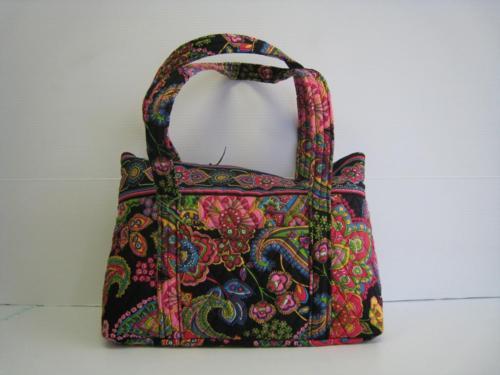
a purse big enough to carry 2 small books and a lot of small things but not a fashion fluttershy

I was also carrying/fumbling with other stuff. There was no way that I could bring Fashion Fluttershy to, on, and from the bus without dropping her and letting her be hit by a car. I was forced to use my coupon on lipgloss, batteries, and hand sanitizer, which are almost the only things I ever buy. Really hate my life. Stuff is miserable.

This is the only notable thing that happened to me today and I swear to God, I used to have a part of myself that would feel worried and guilty upon experiencing it. You guys! WHERE'S THE AUTISM?

Probs I should be reminded that I have a disability whenever I do anything, or my disability is not real.

2

I don't think it's really surprising that I feel this way, because our society treats autism like some kind of super strict religion. Even people who think that autism is tragic still seem to think it's a lifestyle. It's just not the RIGHT lifestyle. Autism is characterized as "stealing" people because little kids are growing up with the wrong personality. It's basically like they're joining a gang where you don't look people in the eye or have the right feelings.

I would argue that this explains why most anti-autism rhetoric doesn't focus on the feelings of people with autism. If autism is so bad then they would have a lot to say about their suffering, right? Wrong. We wouldn't want to listen to what they say anyway, because they're in a gang!

3

For some reason, I always find myself more annoyed by autism pop culture that pretends to be positive. Like, focus-grouped autistic memoirs and especially interviews and profiles by non-disabled journalists.

These interviews and profiles start out with pretty much the same question or concept every time.

"When did you realize you were different?"

This is the cue for the interviewee with autism to tell an exotic story about when they were a kid and used to line up all their sparkplugs/cow fetuses. It needs to be sparkplugs/cow fetuses, and not Transformers or Barbies, because non-disabled kids have those too. The interview can then develop into something that sounds like it was written by a barker at a Depression-era freakshow.

Like other people, I used to be a child. I did lots of interesting and boring things. But talking about those things isn't the most respectful way to do an interview with me as an adult. Actually, age aside, asking me about how different I am just kind of sucks.

Every single time I see an interview like this, I wish the person with autism would say, "You mean, when did I realize I was gay?"

4

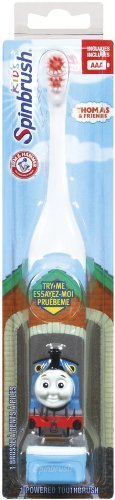
I am different from the norm in a lot of ways--just like everyone else. Like many people with my disability, I did and do love stuff that non-disabled people love too. This summer the New York Times wrote the most obvious article in history about how kids with autism really like trains. Anyone who doesn't live under a rock already knows this. Still, I doubt that my beloved toothbrush

(thomas the tank engine battery operated toothbrush)

is being purchased only for autistic jaws.

In writing about this I deal with an obvious trap. If I try too hard to emphasize the normality of people with disabilities, I might feed into "disabled people are just like everyone else"--a 100% true statement that also happens to be the most annoying trope of all time.

Some fun facts are true about my recent trip to Walgreens. For example, if you sent a non-disabled person to choose $15 worth of stuff to buy I can guarantee they would be able to find those items in the store much more quickly than I did. Without causing me much grief on a case-by-case basis, my comparative slowness adds up. I'm really impressed that two girls in my nurse aide class go to work every day after class. After spending ten hours of my day in class and in transit, I find it hard to even eat when I get home and things like showering and laundry are tasks I can't always manage.

I forget why, but the guy who read my TB test remarked, "You must have a lot on your mind." I don't, but a little is a lot for me, which is fine--but an actual lot would be more than a lot and not really a fair expectation.

Disability adds up. That's the first thing. People don't need to be exotic cow fetus collectors for it to be true, though my lack of cow fetuses used to really wear on my soul.

to be continued

25 June, 2011

real time post #1

but not a super composed post, just a reply to a comment. Normally I'd just respond in the comment thread obviously, but since I've had poor access to the Internet I have spent a lot of time thinking about the comment and have a lot to say.

Sarah Abraham-son is a person who writes a blog called Aspies on TV where she lists TV and movie characters who she thinks have "Asperger's." Several months ago I made a comment here expressing why I didn't agree with the blog, and she recently came across the comment and left her own comment on one of my recent posts. This is Sarah's comment:

Hi Amanda:
I just read this, I'm not sure how we disagree, based on your comment on my blog. Of course people with ASDs commonly have EF issues and mood issues, but these are not core features and not part of the diagnostic features, but often more disabling than some core features. Many of the fictional characters I described do have these features, eg. David Brent in The UK Office (EF issues help him be bad at his job, mood issues develop later when he's fired). This sort of issue though is not very funny, and the aim of fiction is firstly to entertain in some way, so not standard in comedy characters with ASDs.


Hi Sarah. Like many Autistic people and allies, I don’t consider the stuff you consider to be core features of autism to be core features of autism. I’d recommend reading my “social skills don’t exist” series to better understand my perspective on social skills being socially constructed.

As for executive function and mood not being part of the diagnostic critera for autism spectrum disabilities, that’s neither here nor there as the DSM kind of blows in this department. Also, the social skills thing is really neither here nor there either, as a lot of of the characters you claim are “Aspies” don’t even have the kind of social problems that verbal people with autism usually have, but are insensitive or odd in any number of ways. I think fictional diagnostics is fun and everything, but to pick out any character who doesn’t fit in socially or acts rude, without taking the time to think about the specific reasons why some verbal Autistic people don’t fit in or are perceived as rude, is to thoughtlessly perpetuate the very popular and inaccurate belief that all types of insensitivity and social awkwardness equal “Asperger’s.”

Not really clear what you mean with the entertainment value thing--I can think of many humorous portrayals of people with mood disorders and other psychiatric disabilities (although I don’t agree with a lot of them obviously), and cognitive disabilities including intellectual disabilities and Alzheimer’s. Just on a basic level, I tried to serve myself corn in a water glass the other day and all my campers thought it was really funny. Probably much more funny than if I said, “Wow, you have ugly hair” or whatever I’d be saying if I was an autism pop culture character.

Furthermore...come on. Funniness is not an excuse for portraying minority groups inaccurately or disrespectfully--not that portraying a minority group was even what most of these TV shows and movies were trying to do.

16 June, 2011

What should I know about autism that I'm not learning from pop culture?

from my disability page here

I feel like American pop culture is obsessed with autism. It is obsessed with two kinds of autism: very severe autism, which it thinks is kids hitting their heads, and mild autism, which it thinks is people who act weird and are socially impaired. In America and some other places, a person with autism can make a ton of money writing a book about having autism, especially if they make it sound as exotic as possible.

I'm a pretty good writer, and I have autism, but I think I will try to make money in other ways. I find it hard to write about having autism, especially if I have to make it sound exotic. It doesn't feel exotic to me since it is my life.* Also, as everyone knows, being asked "What is it like being gay?" or "What is it like being a middle child?" is very confusing, because you don't know what a lifelong situation is "like" because things have never been any other way. I feel like it's kind of a betrayal of yourself to write a really sensational book about a disability you have always had.

Anyway, I'm just trying to say that I'm not going to spend a lot of time writing about "what autism is like for me" or "what autism is." There are lots of places you can read that (some of them good). But this one page is an exception because I really just want to talk about the pop culture portrayal of mild autism/Asperger's Syndrome (mild autism and AS are not really synonyms, but whatever, pop culture thinks they are). I want to explain why it's not correct.

Lots of people think "Asperger's" is a purely social disability.

According to pop culture, people with "Asperger's" do some strange/geeky things, and don't understand other people's feelings, and don't have any friends. And that's all that "Asperger's" is.

This is fucked up because it's not true. First of all, it leaves out some really difficult parts of living with autism, and leads people to think that mild autism isn't a real disability. Second of all, it means that the severity of an ASD person's disability is often judged by how socially successful they are. This means that if a person has friends and/or seems "normal," other people won't believe that they are disabled, even if the person has a lot of other problems.

What are those other problems?

Well, one of them is called "executive dysfunction." I recommend reading the Wikipedia page on dysexecutive syndrome, which is a disorder caused by a brain injury, but is very similar to what ASD people experience. Executive dysfunction affects many people with developmental disabilities and is a huge issue for every Autistic person I know, but it hasn't been studied very much and isn't officially considered to be part of autism. (I'm guessing this is because so many studies are done on kids, who have a lot of decisions made for them and therefore aren't going to show executive dysfunction as clearly.)

Also some people with autism have trouble transitioning from one activity to the next, have anxiety problems, have intellectual disabilities, have depression, have sensory issues (get upset by certain sensory experiences, like loud noises or stiff clothes), get upset unless everything is a certain way, or have trouble talking. (Trouble talking can mean a lot of things, like having trouble pronouncing words so people can understand them, having trouble putting together clear sentences, not being able to talk at all when you're upset, or talking in a style that other people react badly to.)

One reason I like to say I have autism instead of saying I have "Asperger's," even though there is a stereotype that autism means severe autism and there is a ridiculous stereotype of what severe autism is: my problems are mostly related to executive dysfunction, anxiety, transitions, and having trouble talking. At least the stereotype of severe autism includes people being upset, not liking change, and not being able to talk or take care of themselves. Even though it's overblown, it's more like what my actual problems are than the "Asperger's" stereotype.

YOU MEAN YOU DON'T HAVE SOCIAL PROBLEMS??

Okay dude, here's the thing:

1. Lots of people with disabilities have social problems. Especially people who have developmental delays, because when they're in school, they may not have the skills or interests that other people their age have. Actually, for people with autism, it isn't always that we seem too young; some people with autism seem too old because they are self-educated and know about things that other kids don't know about, or "talk like an old person." But it can go either way. Or both ways in one person. Talking differently or having different interests can make it hard to fit in.

2. Lots of people who don't have disabilities like to ostracize people who are disabled. Some people with mild autism do things that "look disabled" like flapping their arms or clapping their hands when they're excited or running around all the time. This means that many non-disabled people aren't going to want to be friends with them.

3. Some people with autism may want to talk about the same things all the time, or always do activities that are related to those things. There are actually lots of subcultures that are accessible to a person like that, but the average non-Autistic person will want to do a variety of activities, and won't get along with such a person.

4. Some people with autism have very strong feelings and may scare people they want to be friends with, because they are really affectionate and want to spend a lot of time with them right away.

5. Some non-Autistic people may not understand why a person with autism isn't looking them in the eye, or doesn't want to hang out because it would mean breaking their routine. This means that they may think the person with autism doesn't want to be friends with them, when the person actually does.

6. Some people with autism may be shy and anxious as a result of being bullied when they were younger. They may also be kind of self-conscious and distant if they're trying really hard to hide the fact that they are disabled. This can make it hard to make friends.

I'm not saying that I'm 100% sure autism doesn't cause people to have trouble sensing other people's emotions, but there a lot of aspects of autism that could keep someone from being socially successful. I think it's very reductive to say that "Asperger's means a person is socially impaired/doesn't understand other people's feelings/can't make friends."

When I was 16, I was kicked out of a study of ASD kids because the study was about how to make someone better at reading facial expressions, and I was judged to already be good at reading facial expressions. But despite that, I had a lot of social problems at that age, and still have some now.

What is a better way to think about autism?

(In making up this fake question for myself to answer, I'm thinking about a better way than really sensational books and very special episodes of TV shows saying that people with mild autism are super genius geek robots who don't care about other people's feelings, or don't know that other people's feelings exist.)

I wish that autism was more strongly associated with intellectual disability (formerly known as mental retardation). This isn't because some people with autism have ID, although that's true. It's just because I think there are a lot of similarities: a person with autism, ID, or both is born into the world with a certain disability that they will always have. They will develop some skills later than other people. Depending on the severity of their disability, there may be some things they will always need help with. They may have trouble fitting in with other people. They may be abused by other people for being different. They may end up in situations they don't understand (and of course, people may assume they don't understand things they really do understand). They may have trouble taking care of themselves. They may have trouble talking.

This isn't interesting. It's not something to write a book about--which isn't to say that people with autism, or ID, don't often lead interesting lives. But their impairments alone are not interesting. They're just a part of life.

This is not to deny that people with intellectual disabilities are treated terribly in our society, in a different way from people with autism. I'm jealous that they're not seen as curiosities because of their disability, but the awful side is that they are often seen as not interesting at all in a pervasive way. Non-disabled people just want them to be completely kept out of sight. Non-disabled people insult each other using the word "retard" as if it doesn't refer to any real group of marginalized people. Non-disabled people are surprised to learn that a person with an intellectual disability can be funny or cool, and they do their best to avoid finding that out.

However, once people are actually forced to spend time with a person who has ID, such as by being their parent, I think they are more likely to accept the person for who they are and work around the impairments the person has. This isn't really the case with autism. And I think that the movement for people with ID to be treated equally is in a lot of ways ahead of the movement for people with autism, because of this acceptance. At least there are many organizations that encourage people with ID to speak up for themselves--whereas most people with autism are encouraged only to speak about themselves.

*I admit I'm being kind of a bitch what with constantly declaring that I'm not interested in writing about what autism is like. I mean, I know that some people have been recently diagnosed and they are very interested in reading about what autism is and what it's like, which is legit and I don't want to be critical of anyone who's in that situation and happens to wander over here looking for help. I just tend to be really snarky about this stuff because I really don't like the cultural trend of people with autism being expected to educate non-disabled people about autism. But if you actually have autism and want to talk about it, you should get in contact with me on tumblr or gmail or something.

04 March, 2011

Asher made this post about microaggressions, it was really good. I want to make a post like it someday when I can remember to write things down.

One thing I was thinking about was--well, obviously I basically can't go anywhere without hearing or reading the r-word, and "psychotic" is really thrown around to mean evil as well. But the words Asperger's and autistic have also reached, though not the same level, a level of use as an insult. For example a few months ago I read this book where the author kept using the word "autistically" to describe the behavior of an unlikable character. And you can't really go anywhere without running into the following awesome usage (this is from a blog post about the movie trope of Manic Pixie Dream Girls):

More so, sometimes they are outright uninterested in making conversation. I mean, he’s obviously busy FILLING OUT SOME FORMS. But much like Asberger’s patients, some Quirky Girls fail to understand social cues, and force themselves into association with the movie’s hero without any delicacy or grace.

I didn't comment on the post, even though it was at Feministing which I guess should try not to be total assholes re: minority groups. I just felt embarrassed. If you can't even spell a disability, then should you really be making reference to it? And what's with the word "patients?" Do you think all people with disabilities just spend their entire lives being studied/treated by doctors? (I guess I could give her the benefit of the doubt and imagine she means "the patients of Hans Asperger," but if she was that educated she'd probably be able to spell it.)

Yeah so I do feel stupid every time I see this stuff--stupid for being affected. It's so little and it's just a pop culture blog or whatever.

Did I post about this time I was cashiering and this girl decided she didn't like the reusable container program and proclaimed in the most whingey voice, "That's just...RETARDED!" I guess I must have looked pretty shaken because she said, "Oh, not you," and hurried off. I wanted to say, "Oh, fuck yes, me. Good observation skills."

eta: I just decided to go comment on the Feministing post; I made this comment saying I have ASD and I have problems with her "Asberger's" reference. And the second I sent it I was like, "shit! People are going to read this and think I don't understand jokes and I take everything too literally because I have ASD. I should have just said I was disabled, or I should have said I have a friend who has ASD--now no one will listen to me. If anyone answers, I'll have to come up with a response that makes me come off like I'm really sensitive to other people's feelings and I have a good sense of humor."

I just thought that was funny.

15 January, 2011

little thing that bothers me (actually, two little things)

cute stories about verbal people with ASD (usually adults) "learning to do things" (such as: flirt! go on a date! go to a party!).

I don't exactly know for sure what it is that bothers me so much, but let me just explore a possible reason, which may be wrongheaded.

The thing is I am probably way biased in being annoyed by this--you know, maybe I have a nonstandard experience in terms of what's hard for me and maybe the only reason I find these stories so stupid is that's not how my ASD is. But on the other hand, I don't know anyone like the people in these stories. If I'm an exception, it seems like exceptions are more numerous than people who follow the rule.

This may be a generational thing, since most of the people I know were diagnosed as kids--so maybe people diagnosed as kids were aware enough of social problems they had or might have had that they picked up on everything they could be taught?--and also most of the people I know are women--so, same thing? So you can take this with a grain of salt, I guess. But I just find myself reading the word "Asperger's" in some cute story or other, and what follows doesn't resemble anyone I know who has an ASD diagnosis.

I know some people, and if you'll just let me do a brief rundown of what verbal people with ASD, of my acquaintance, are like when they socialize:

1. Some people try really hard to respond to everything in a normal/"appropriate" way. Which can be kind of a painful reality to live in, and isn't actually that cute or simple.

2. Some people are themselves and that's okay with them; and maybe the way they think about themselves isn't "am I doing something odd?" so it isn't so much that they mistakenly think they're normal when they're doing weird things, but that they aren't asking the question.

(Obviously there's switching between these two modes, for some people. There's also a ton of variation in which mode actually leads to a certain person being seen as "wrong.")

I just don't really see all these "weird" people who are doing things "wrong," who upon given the right kind of help, or upon deciding to put their nose to the grindstone and "learn how to do things" (what were they doing before, hibernating in a cave?), are totally shocked to discover all the wrong things they've been doing and start doing everything properly and life is better.

A related trope that bothers me is the idea that people with "Asperger's" are like aliens (or humans raised by aliens) coming to earth. The problem with this simile is obvious: an alien has trouble fitting in to earth culture because the alien has actually grown up and lived a whole life in a different culture. So this has a few problematic implications:

1. The alien may be perfectly capable, with time, of learning to do everything just the way people do it on earth.

2. Again, if someone with ASD=alien, and becoming aware that they behave differently=coming to earth, are you saying that this person wasn't a part of the real world for the whole time that they were un-self-consciously different from other people?

More on problematic implication 1, which is really my biggest issue here, because it very much oversimplifies social problems (and erases emotional and functioning problems) faced by people with ASD. If people with "Asperger's" are just normal people who don't know how to act at a party but can be taught, then how is it actually a disability? Just learn how to act at a party, then. In addition to not being a disability, pop culture "Asperger's," when we come down to it...basically requires nothing from other people. If people who are different aren't just naturally innately different, but have just for some reason not learned how to be the same, then there's no reason for society to accept them. Society can give them a little extra time and smile at them fondly while they "learn how to do things," but just being okay with someone who's different and is cheerfully living as different? That's too much to ask.

Am I totally off base? I mean, I think I mostly am, but I also think I have a little bit of something here.

03 January, 2011

I think if you googled the word "boring" you would find this blog

On my school's gossip/general anonymous noodling forum, someone posted an Empathy Quotient test by Simon Baron-Cohen. Like all annoying "quotient" tests by Simon Baron-Cohen, this asks you to strongly or slightly agree or disagree with a number of statements about yourself.

I think first of you know that I'm going to reply to statements like, "I don't tend to find social situations confusing," with, "What kind of social situation are you referring to?" Even the most ridiculous Baron-Cohen stereotype can be pretty un-confused if he hangs out at the comic book store playing D&D. Despite the fact that I am very comfortable in almost every social situation I regularly find myself in, I generally find myself writing down that I do find social situations confusing, because it's such a super broad question and I think I might find the kind of situations Simon Baron-Cohen thinks are real social situations to be confusing? Maybe? I don't know?

Also, this: "If I see a stranger in a group, I think that it is up to them to make an effort to join in." This is an opinion and doesn't have to do with being able to "read" people or sense their feelings.

But never mind. My normal "social skills don't exist" racket is not the motivation for me telling you about the Empathy Quotient. Instead, I'd like to show you some of the other statements that Simon Baron-Cohen thinks are somehow related to socializing and empathy:

I am at my best first thing in the morning.
I would never break a law, no matter how minor.
I live life for today rather than the future.
I like to do things on the spur of the moment.
I can't relax until I have done everything I had planned to do that day.
I often start new hobbies but quickly become bored with them and move on to something else.
I would be too nervous to go on a big roller coaster.
I like to be very organized in day-to-day life and often make lists of the chores I have to do.
I don't like to take risks.
Before making a decision I always weigh up the pros and cons.


I don't think I need to overexplain this. It's poor methods, to say the least.

eta: just kidding, Zoe explained to me why I'm wrong and these are actually the filler questions. I'm kind of relieved SBC isn't exactly 100% as dumb as I thought he was after reading this test.

25 December, 2010

people you want to hide vs. people who actually don't exist

Several years ago I remember reading a New Yorker piece by one of the Autism Pop Culture kids--John Elder Robison maybe? Whoever he was, he said something about having had to create his personality from scratch, instead of naturally having one. And I was like, "yeah totally this is such a good description of what ASD is like! I can relate to this better than anything else I've ever read!"

Whereas now I'm kind of like...seriously?

It's weird to say this because a few years ago I don't think there was anything I hated more than people saying, "Just be yourself," or, "Just act however you feel." But that's what I try to do now.

Obviously there are areas in which this totally doesn't work--of course there are things I have a lot of anxiety about, or can't learn how to do with any ease, and there's definitely an element of forcing myself to do things or trying to imitate how someone else would do them. But there's a difference between consciously going against your nature, or trying to play make-believe with yourself, in order to deal with something, and just playing a part all the time. I think there were some times when people would say, "Just be yourself," in a way that was super disrespectful of who I am; it was like, "Don't react to things in a way that I wouldn't react to them, because to me your reactions look unnatural." But the fact that I used to find "Just be yourself" to be the most ridiculous thing for anyone to say to me, ever, is now kind of hard for me to relate to.

Like 14 months ago, I made this post called I'm a fake person, and in the process of writing it--well, I knew everything that was in it, but actually writing it down made me incredibly depressed. There was just this fact inside me all the time, that I was fake, and I just tried to avoid thinking about it. But now I just don't feel like that thing is there anymore. (The trans aspect of that post is really weird. I think at that time I actually thought that being trans would make me happier than being cis, but that it just wouldn't be practical for me to transition...but now I, like, actually feel like a girl, in an uncomplicated way, which has never been the case before. So maybe feeling "I'm not a girl," for me, was just a way of feeling something else that I don't have to feel anymore, but I don't know.)

I'm not trying to say that everything is baller and in fact some stuff is much, much worse since I stopped being a fake person, but I do prefer life this way. And I know I'm not going very much into detail about what being "real" or not having a made-up personality means to me, but it's complicated and it may not even look that different superficially. It just feels incredibly different inside.

Anyway, where I was going with this was probably toward the idea of people being empty or being nothing or having nothing to them, because they're different or because they can't do the things other people can do. I think it's really important to acknowledge the difference between having a self that's not socially acceptable, and actually really not having a self at all. Even if your self does have to change or fake or learn a lot of things, or even if it never is accepted by other people, it does really exist.

It's also important to acknowledge the human being/human doing divide, i.e. the difference between not being able to do something, and not being something. For example, if you can't talk on the phone, and then, through scripting and imitating other people, you become able to talk on the phone--your old self wasn't a nothing that has been replaced by an improved, fake self that can talk on the phone. Your old self was just someone who couldn't talk on the phone.

16 December, 2010

something else about Skins

(stfu you can't imagine how much I love this show)

in 3x04 when Freddie finds JJ at Pandora's party and looks after him--I generally hate Freddie, but he's really sweet in that scene. and the whole fact that Freddie, Cook, and JJ all use the phrase "locked on" to refer to instances when JJ becomes obsessively upset; then people who aren't in the trio, like Emily, also start using the phrase about JJ when he is upset.

I think this is cool for multiple reasons.

We eventually learn that JJ has a diagnosis of "lower autism spectrum" (is this really what they say in the UK?). But the truth is, we really don't need a word to tell us about JJ. Often, pop culture portrayals of verbal people with ASD are very superficial and behavioral. It's hard to explain what I mean by behavioral, but you'll just have to take my word for it that JJ isn't portrayed like that. It's something like...you could watch a lot of clips of the show and not realize that JJ is written and played as having autism. But those moments of his character aren't at odds with the moments in between, where he certainly seems like an unusual person but it could be a lot of things, or the moments when he's quite stereotypically (but not inaccurately) "locked on" or having a meltdown.

He's just himself, the whole time.

As far as we know (well, I'm only seven episodes in, but still, that's a lot) none of JJ's friends know about his diagnosis. I'm guessing Freddie and Cook probably do, but we're not actually told that. The only time words related to ASD have been used are a)when we learn JJ's diagnosis by seeing his diagnostic papers and articles on autism that his mother has, and b)when JJ is upset and calls himself a bunch of slurs: "Retard! Nutjob, headcase, spazzo, mong, autistic fucking fruitcake, mental basket, shitty, in a fucking cuckoo's nest."

The first instance is kind of cheesy forced exposition, but the second is really interesting because we get a sense of autism not by itself, but as part of a whole group of stigmatized conditions. I think it's really--well, I can't say it's more realistic for everyone, but personally, I think that, assuming you're not part of any kind of Autistic culture, and especially if you are really upset about your disability, it makes sense that you wouldn't really identify as having "autism" or "Asperger's" or "ASD," but just as Not Being Normal. After all the idea of abusing someone for being "autistic" is not as established as abuse against people who are "retarded" or "mental baskets." So abuse against people with ASD is often done in the name of another disability that ASD superficially resembles. And therefore, it's not really strange that almost every term JJ uses in his outburst is a derogatory term for people with either psychiatric or intellectual disabilities, except for "spazzo," which I think is generally an insult based on CP and/or epilepsy; "autistic;" and "shitty."

Anyway, where I'm going with this, and with the fact that none of the other characters so far have ever had a discussion about JJ having "autism" or "lower autism spectrum" or "Asperger's," or whatever...is that the tendency to repeat a bunch of diagnostic labels in fiction, or to have a character who constantly "acts autistic," is often done in a clumsy attempt to educate, or to sensationalize the disability. In real life, people with ASD, and the people around us, don't usually behave like this.

The risk is, though, that if an ASD fictional character just behaves like themselves and isn't stereotypically, classically ASD all the time, and we don't use the word much, then consumers may just say, "Oh, I didn't realize he was supposed to be autistic, and he was just a little weird anyway. It didn't seem to really affect him." Which is annoying, because the character isn't really making a difference then. Plus there's the whole sense that if someone's ASD isn't immediately visible to you, then it's not really affecting them. But how do you show effects that aren't as obvious as a monologue or something?

What I think is really lovely in Skins is that JJ's disabled-ness is kind of like a ghost--although it's not something that people intentionally don't mention, like a ghost, but it's just something that everyone is very used to and doesn't state outright most of the time, and it's also something that isn't always apparent.

JJ has two best friends. This already takes him away from the worst of autism pop culture, where he would often be portrayed with no friends. But we soon see that there is something strange in the way Freddie and Cook treat JJ. They say some things to him that are kind of harsh, when he's being genuine ("She's not looking at you"). Cook roughhouses with JJ in a way JJ doesn't seem super thrilled by. JJ seems obligated to go along with all of Cook's plans*. There's an element of bullying in the way the two of them treat him, like he inherently has less authority or less value. At the same time we see Freddie and Cook's tenderness and sense of responsibility toward JJ when he is distraught.

(*I should note that there are some times when Freddie starts asking JJ to keep Cook out of trouble; the relationship between the three of them is certainly not a one-dimensional thing where Freddie and Cook always control, bully, and take care of JJ, but I think that's a very strong element.)

This is a really fantastically realistic and complicated portrayal of a trio of teenage friends, regardless of the disability aspect. But with the disability it becomes almost miraculous. Without the help of words like autistic or disabled (although Cook uses some words related to mental illness), we get the picture: JJ is guileless--which makes him funny, and easy to use--and afraid to stand up for himself, because he sees himself as inferior to other people--which, again, makes him easy to use and push around. He is very loyal to his friends, partly because he doesn't like things to change and partly, I think, because he doubts his ability to make new friends. Freddie and Cook sometimes treat him in a way that's really patronizing and disrespectful. (And despite this fucked up stuff, all three genuinely care about each other, because in real life friends can treat each other terribly without meaning harm.)

We also see that JJ feels guilty because his mom is stressed out about him. Which is really classic disabled kid stuff--real disabled kid, not TV disabled kid--and is conveyed really briefly and effectively.

So we kind of see JJ's disabled-ness, or what it means to him socially at least, through the way Cook and Freddie treat him and the way he reacts; and the way he feels guilty about his mom, and sometimes hates himself for looking like all those words. We definitely see straight-up impairment. But sometimes we see how the experience of growing up as disabled--not specifically ASD, but you know, "spazzo, headcase, fruitcake, retard"--has in some ways really shut down JJ's sense of what he can be and what he's allowed to pursue.

Also--the scene that started this for me, at the party, with JJ getting locked on. Freddie comes to the party, finds JJ, helps him to come outside, and then tells off Effy for not looking after JJ; and Effy apologizes. What I was originally just going to say is that Freddie and Effy are both talking about JJ as someone who needs this particular kind of support, but they're not using any words that are explicitly related to disability. Which is just an example of something that I like and think is realistic.

But another thing is just the complicated thing of being disabled and having friends who don't seem to need as much support as you need. To paraphrase, for the third time on this blog, a line from my favorite book: "They needed to treat him like an autistic person, but they also needed not to treat him that way." How is JJ supposed to say that Freddie's pissing him off and needs to stop ruffling his hair, when JJ was dependent on Freddie to come and rescue him from the party? Thinking about this really kills me. Gosh (oh my giddy giddy giddy aunt?) I love television.

ETA: Really annoyed with JJ's portryal in 3x09 though.

12 November, 2010

5. Is going to a hospital normal?

I really love chaoticidealism's blog, but I take issue with something she said in this NPR article about her. I actually don't really like the article at all because it seems to be focusing on how Lisa Daxer/chaoticidealism's ASD causes her to be able to study normal people and their amazing social behavior. I dislike this frame of autism ("autism teaches us about ourselves [ourselves meaning people who have certain abilities and act a certain way]!") and, although I haven't read all of her posts, the ones I have read have been about ableism and disability/autistic identity, not about studying normal people. I feel it does her a disservice to describe her blog that way.

Anyway, the offending passage is:

Daxer learned a lot about empathy from one of her housemates, a young woman she calls "superneurotypical" because she had such good social skills.

At the time, Daxer was feeling increasingly depressed and isolated. This woman seemed to understand. "I think she knew that I was hurting and she didn't want me to hurt anymore," Daxer says.

But her depression got worse. Eventually, Daxer ended up in the hospital.

"She visited me in the mental ward," Daxer says. "In our society, being crazy is considered very, very frightening. You think of TV slasher killers. And this girl, when I had depression, she visited me in the mental ward. That takes courage; that takes friendship; that takes empathy."


Obviously this girl sounds awesome, but I wouldn't characterize her awesomeness as "superneurotypical." To say that someone is "supersmart" would mean that they have more of whatever the average smart person has; to say that someone is "supergay" would mean they have more of whatever the average gay person has; and so on.

So, is the average "neurotypical" person (not a word I like, but I'll go with it) able to kind of judge what a person with ASD is feeling? I mean, is it the case that "neurotypicals" are better able than ASD people to judge everyone's feelings, not just "neurotypical" feelings? Which would lead to the conclusion that "neurotypical" people outperform ASD people at judging ASD people's feelings?

Well, that would be interesting--but it's obviously not true, because many people with ASD say that they can judge the feelings of other people with ASD. I don't know whether that's the case for me*, but I definitely know that lots of non-ASD people are terrible at judging how people with ASD are feeling. If you just noodle around the Internet for a minute, you will find quite a lot of ASD people describing how someone thought they were nervous or sad when they were calm, bored when they were having a panic attack, uninterested in things they were actually very interested in, and so on. In fact, sometimes police officers will harass or physically hurt people with ASD because they misinterpreted the person's behavior.

Lisa Daxer describes the "superneurotypical" girl as not just being able to identify LD's feelings, but as being brave and kind because she visited Daxer in the mental ward of a hospital, an intimidating and stigmatized place. Is this, too, a super version of normal behavior? Would the average normal person do something a little bit intimidating for the sake of kindness, whereas this extra-normal person did something very intimidating? With the implication being that people with ASD wouldn't inconvenience themselves for the sake of kindness at all?

Again, I think this is not true. I think normal people run around hugging each other all the time because that's easy for them. I think all people, when confronted with a scary action that seems like the right thing to do, make a decision based on various things--ability to handle anxiety and stress, bravery, morality, how much they care about the person they're doing it for.

I don't think chaoticidealism's friend was more normal than other normal people. I think she was a normal person who was extremely sensitive, loving, and brave. I think disabled people can also be sensitive, loving, and brave, and I would prefer that those characteristics not be equated with "ourselves" (non-disabled people) at the expense of the rest of us.

(I should mention that the impression I get of chaoticidealism from her blog is so different from the impression I get of Lisa Daxer from the article that I wonder if her comments were misrepresented by NPR. I have no idea whether this is true, but if it is true, the passage in the article is still a good example of how not having autism is associated in pop culture with kindness and sensitivity, to an illogical degree.)

2. What this is not

Before I start I should say that I'm not trying to write about what autism is and outright deny that there are social issues. I have in the past made the argument that social impairment in autism doesn't exist--that minorities, especially people who perceive reality differently, can be socially isolated without having an impairment that is objectively social at heart. However, I put forth this argument without being sure I was right. It's an extremely complicated question.

What I'm trying to do in writing this piece is destabilize the idea that people with autism (or, for that matter, anyone else) have "impaired social skills" or "no social skills." I think that's a very vague and dangerous thing to say.

When a person is labeled as "lacking social skills" this can cause other people to treat them as less than human. Many people with autism have stories of expressing their feelings or opinions, only to be told that their feeling or opinion is a result of their poor social skills, and therefore isn't valid. (This is a good example of what I mean.)

Another problem is that when you look at a person who isn't fitting in and say, "This is happening because they have bad social skills," you don't acknowledge the fact that everyone contributes to one person's social isolation. Basically, I'm trying to present something called a social model of social failure. The truth is that no one is naturally fated to be socially unsuccessful based on who they are.

This is not a tightly written argument where each section leads to the next. It's a collection of loosely related arguments, many of which are in the form of anecdotes.

08 November, 2010

(things aren't going well, obviously)

I'm approaching the cutoff for DD services for acquired disability so all I can think about is I better get one right now. I'm thinking of lying down in the middle of a busy intersection except we don't have those in Lorain County.

(imaginary conversation)

"I'm hoping someone will come up and hit me in the forebrain with a blunt object so I can have a real disability."

"That's a terrible thing to say!"

"I know. But I have autism, so I think I'd be pretty much the same."

"Oh yeah, I heard about autism on TV. Is that the disability--oh sorry, do you prefer 'difference'--where you rock back and forth and don't like looking people in the eye?"

"Well yeah but that's not the part that makes me want to stick my head in a gas oven*."

*speaking of, my former professor/friend told me that maybe I am like an electric oven (gets to a particular setting slowly) and other people are like gas ovens (gets there right away). At the time this sounded kind of sweet, but all ovens are not created equal. Now I face explaining why I can't go to my practicum because my friend's car is in the shop and the reason I'm using my friend's car (which is massive and doesn't have a working dashboard--you have to guess which gear you're in and how fast you're going) is because the process of applying for a community service car was too complicated for me. In previous years, this professor has accused me of "putting myself down to get sympathy," so I can only imagine how fun this conversation will be.

13 September, 2010

I have to admit that I'm super disingenuous in the way I write about autism. Well, super is a strong word. But sometimes I feel that I tilt stuff.

Okay, so I think this is a somewhat arguable position: autism is not especially related to social impairment. Certainly people with ASD are socially impaired, but:

1. Some of this social impairment comes from being developmentally delayed in various areas, which include but definitely aren't limited to social skills (other stuff would be self-care, and so on). Which is to refer to my previous framing of ASD as being "intellectual disability without the intellectual disability"--i.e., having all the same impairments and differences from the norm that people with ID have, but not being affected in areas that are purely intellectual. I really like this frame, because it's obvious that many people with ID have social impairments, but it's not pathologized in the same way that is for people with ASD. However, this doesn't hold up as an entire characterization of autism, especially because it erases people who have both ASD and ID, which I don't want to do.

2. Some of this "social impairment" is not really social impairment and just comes from being different, or having impairments that aren't immediately connected to socialization, but affect socialization. For example, a person with schizophrenia may have trouble making friends because their speech is very difficult to understand--loosely connected, and full of references and word choices that only make sense to the speaker. This person's problem wouldn't be characterized first and foremost as "social impairment." However, when an ASD person has trouble making friends because they talk in an unusual way, or only like to talk about certain things, this is characterized as social impairment. It might make sense to say that the person talks in an unusual way because they have language problems, or because they get stuck on talking in a certain way; and that they only talk about certain things because they dislike change and transition. But these ways of looking at the situation are ignored.

I really think that if professionals who characterize large parts of autism as being about "social impairment" would actually look at the discrepancies between the way they characterize ASD people, and the way they characterize people who have somewhat similar disabilities like ID and schizophrenia, they would either have to admit that autism isn't as much about social impairment as they claim it is, or they would have to start characterizing a lot of disabilities as being primarily about social impairment.

Oh right. But about me being disingenuous. I guess I feel like when I talk/write about stuff that is going on with me, I try really hard to avoid looking at things through the "I'm socially impaired" lens? Even though, for whatever reason, that is obviously a part of my life. But I try to call it anxiety, or disabled/non-disabled person clash, and so on, partly because I guess I am just so angry about all the time I spent ignoring all these things I had problems with because I had been fed really incorrect ideas about autism, and I thought that my impairments could only be social, this really pure kind of social impairment that I sometimes imagine doesn't even exist. So I feel like I have a tendency to ignore my part in conflicts when I explain them to myself, or something like that.

It sort of reminds me of how I don't always engage very well with people who are being like "BUT WHAT ABOUT THE PARENTS!! BUT SOME KIDS HIT THEIR HEADS!!" And I mean, I really should--not everyone should, but I enjoy that kind of baseline conversation sometimes, and I think I can be good at it. But I'm just so tired of it that I just tend to be sort of a bitch. And maybe that is bad because the person on the other side can't see that the things they're saying are really cliched, and they don't see most of what I'm reacting to, so they're just upset or confused. I feel like sometimes I frame my life, and ASD in general, in a certain way almost as a political act or a way of creating new narratives that give ASD people more room? Does that make sense?

Please don't take any of this post out of context and try to say that I'm going around lying all the time. I mean we all have frames I'm just honest about it.